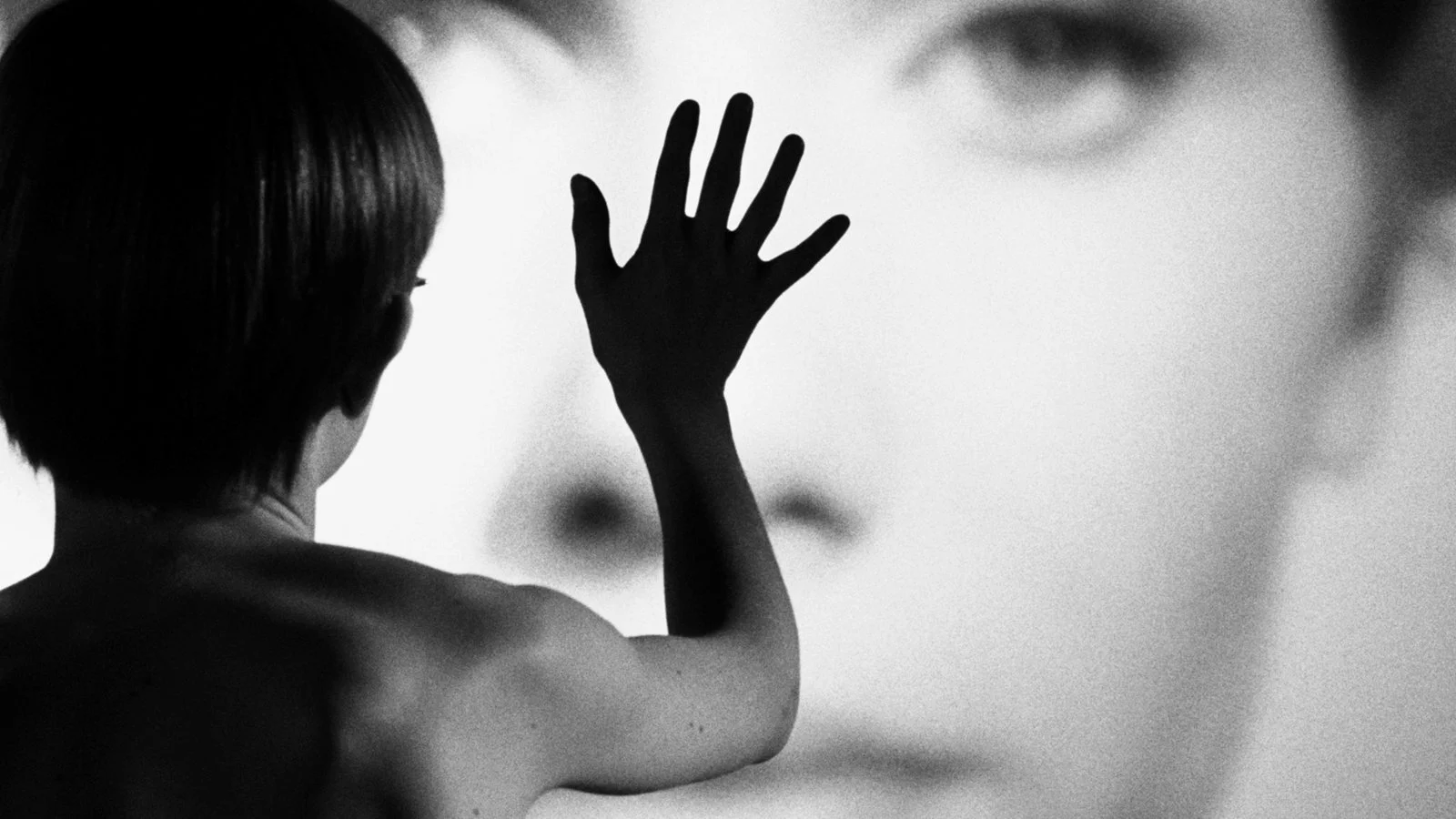
Thinking Images: A Short Course in Video Essay Making
with Dr Darren Elliott-Smith
Course Structure: 5 × 2 hour Zoom sessions, Thursdays, 6:30pm-8:30pm (GMT) as LIVE online sessions, supplemented by 4 x 30-40 minute recorded lecture materials for each session, available from day one.
Course Venue: Online (Zoom)
Course Dates: September 2026 & January 2027
September 2026
Thursday, 10 September
Thursday, 24 September
Thursday, 8 October
Thursday, 22 October
Thursday, 19 November (sharing session, optional)
January 2027
Thursday, 21 January
Thursday, 4 February
Thursday, 18 February
Thursday, 4 March
Thursday, 25 March (sharing session, optional)
Course Fee: £180(Full Price, regularly employed); £120 (Reduced Price, freelance/unemployed)
This five-week online course explores the innovative practice of video essay creation as a cutting-edge development in film criticism and art practice, whereby lovers of film can use the moving image itself to deepen their appreciation, analysis, and production of creative media.
The video essay usually takes existing digital video footage (feature films, shorts, documentary work) and applies creative editing techniques to create a new type of investigation (known as videographic work), which offers an extra emotional dimension produced through the blending of words, images and sounds.
The course will include lectures and workshops delivered on zoom to enable an understanding of video essay techniques and practices; short practical digital tasks (homework) where the basics of video editing will be implemented; and the production of your own 5-minute video essay to be shared on session 5.
This course is for:
Individuals interested in video essay theory and practice
Individuals at a beginner or intermediate stage in video production interested in expanding their practice
This course was created by Course Tutor Darren Elliott-Smith, developed in partnership with Live Art Development Agency & Queer Extension.
Film scholar and video essayist Dr. Darren Elliott-Smith (University of Stirling) will guide students through the forms, origins and influences of the video essay, drawing on noteworthy examples before inviting them to work on short projects of their own.
The course will be run in a relaxed and informal environment, via Zoom and Google Classroom
No prior video editing experience necessary. Students may benefit from having had some knowledge and appreciation of film/media criticism.
Students may bring their own hardware/software for practical editing – we recommend iMovie or Clipchamp for beginners.
Taster Sessions Slides and More info on Darren’s work here.
The course has previously run:
November 2025
FAQ
-
Description text goes hereNo! You can take this course with no experience of video editing. You do need to have access to a computer, access to necessary software (e-mail, Zoom, Google, editing software of your choice).
-
Yes! Explore the theory and practice of developing video essays and explore the possibilities that this form enables you. Though most videographic work engages creatively and critically with existing moving image material, many artists have interjected themselves and their own original work into their efforts.
-
Should you have any particular access requirements, please email kane@thisisliveart.co.uk and we will be happy to offer further support.
We seek to support all learners to the best of our ability. The course is designed to be accessible via Zoom and Google Classroom.
Zoom features including captions, transcriptions and recordings, will be available.
All course readings and videos will be included in the course price for access and all readings will be available in PDF for read-aloud software use.
Students will be directed where needed to use free-to-access software for editing purposes should they be unable to purchase more complex software titles.
Upon booking, Queer Extension will reach out to you and request further information to ensure we can support your learning experience.
Though Thinking Images has a loose bi-weekly structure, the course is designed to be flexible allowing students to continue at their own pace with no pressure to produce homework/final products to this timeline. Please reach out to your course tutor if you feel you need an alternative structure for your own pace should you need it.
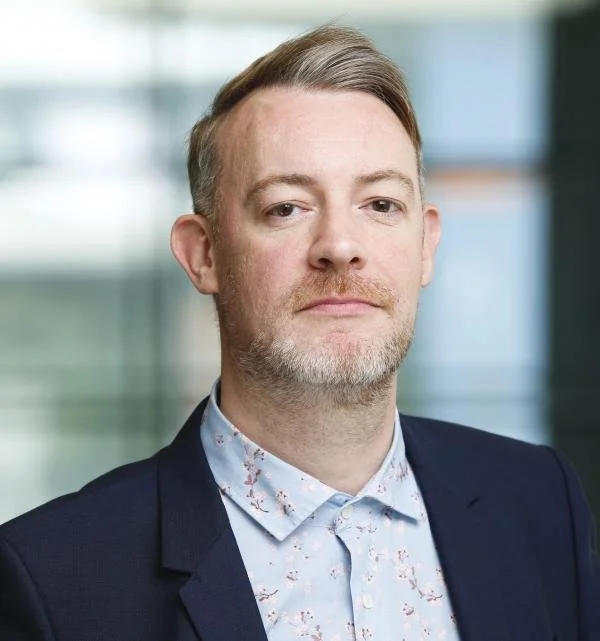
Dr Darren Elliott-Smith (he/him) is currently Senior Lecturer in Film and Gender at the University of Stirling and has published extensively academic work involving gender and sexuality and their representation in film and media. His work involves considering sociological connections between LGBTQ+ identity/communities and genre work in film and TV, focusing on horror and melodrama and Gothic forms. He has used written work, curation and videographic practices to engage with such concerns and has been integral in developing international academic work on Queer Horror Film and TV analysis and production.
About the Live Art Development Agency
Live Art Development Agency (LADA) is a London-based charity, dedicated to the development of live art research, practice and infrastructure. Founded in 1999, LADA is a hub for learning and co-created knowledge - a place where artists, curators, researchers and communities can experiment, exchange methods and evolve practices together.
LADA's primary resource is the Live Art Research Collection, housed in our Study Room in Bethnal Green, that contains over 8,000 items from the 1960s, including out-of-print books and rare documentation of performance. The collection is a living tool for experimentation activated by annual artistic research residencies, workshops and events programme.
LADA supports live art practitioners through professional development programmes, including a national peer-to-peer professional development programme Do It Together (DIT), which seeks to create the conditions for artists to explore ideas, aesthetics and socio-political challenges together, and build a nation-wide support network for experimental practice.